Taste the Japanese Harvest — Chestnuts, Sweet Potatoes & Hojicha

Autumn in Japan is famous for its brilliant red leaves and the beauty of Tsukimi, the tradition of autumn moon viewing.
But there is another wonderful way to experience Japanese autumn:
through food.
In Japan, autumn has long been known as “Minori no Aki” — the season of harvest and abundance.
Rice, chestnuts, sweet potatoes, persimmons, mushrooms and many other seasonal foods reach their best during this time of year.
Among them, chestnuts and sweet potatoes are two of the flavors most strongly associated with Japanese autumn.
Walk through Japan in September and October and you will begin to see chestnut and sweet potato sweets appearing everywhere — in traditional confectionery shops, department stores, cafés and supermarkets.
This reflects an important idea in Japanese food culture: shun (旬).
Shun means enjoying an ingredient when it is naturally at its seasonal best. In Japan, food is not simply something to eat — it is also a way to experience the changing seasons.
For this month’s Onsen Box, we selected three treats that capture this delicious side of Japanese autumn.
1. Hatsuguri — A Chestnut Sweet from Obuse, Nagano

Our first autumn treat is Hatsuguri, created by Kurian Fumido in Obuse, Nagano Prefecture.
Obuse is one of Japan’s best-known chestnut-growing regions, and chestnuts have been part of the town’s culture for centuries.
Kurian Fumido has been making traditional confectionery in Obuse since 1864, maintaining a close connection with the region and its ingredients.
A Whole Japanese Chestnut Inside
Hatsuguri begins with a soft, castella-style cake made generously with eggs from carefully selected contract farms.
Inside is a special sweet bean filling together with a luxurious piece of Japanese candied chestnut.
The sweet is then individually foil-baked, creating a lovely combination of soft cake, smooth filling and rich chestnut.
Chestnuts are one of Japan’s classic autumn flavors, so this little cake is especially delicious with a warm cup of Japanese tea.
It is a simple taste of autumn in Nagano.
2. Beni Haruka Sweet Potato Chips — Crispy Japanese Autumn

Alongside chestnuts, there is another ingredient that immediately makes Japanese people think of autumn:
Satsumaimo — Japanese sweet potato.
As the weather becomes cooler, the season of yaki-imo, or roasted sweet potatoes, begins across Japan.
Their natural sweetness and comforting flavor have made sweet potatoes one of the country’s most beloved autumn foods.
These chips are made with Beni Haruka, a Japanese sweet potato variety known for its rich sweetness.
The sweet potatoes are thinly sliced and fried until beautifully golden and crisp.
The satisfying crunch and concentrated sweetness allow you to enjoy the character of the sweet potato itself.
It All Begins with the Sweet Potato
The maker, Shibuya Foods, has specialized in sweet potatoes for more than 50 years.
Rather than focusing only on how the final snack is made, the company works closely with farmers and pays particular attention to the quality of the sweet potatoes themselves — from soil and cultivation to storage.
For varieties such as Beni Haruka, careful temperature- and humidity-controlled storage helps develop their characteristic sweetness.
The result is a wonderfully simple snack that lets the Japanese sweet potato remain the star.

3. Tea Made Especially for Chestnuts

Our final selection is something rather unusual.
It is literally called:
“Tea for Chestnuts.”
Yes — a Japanese tea created specifically to be enjoyed with chestnuts and chestnut sweets.
The tea maker searched for a flavor that would complement the gentle, natural sweetness of chestnuts without overpowering them.
The answer was hojicha — Japanese roasted green tea.
Two Types of Hojicha in One Blend
But this is not an ordinary hojicha.
It combines two different styles of roasted tea:
Leaf Hojicha provides a clean and refreshing taste, while Stem Hojicha adds sweetness, depth and richness.
Each is roasted differently before being carefully blended.
The result is a fragrant tea designed to complement the delicate sweetness of chestnuts.
Try it with Hatsuguri from this month’s box, or pair it with other chestnut desserts such as Mont Blanc, kuri yokan (chestnut bean jelly), or kuri kinton (sweet chestnut confectionery).
The Japanese Art of Pairing Tea and Sweets
The tea is created by Yamashiro Bussan, a Japanese tea company established in 1960.
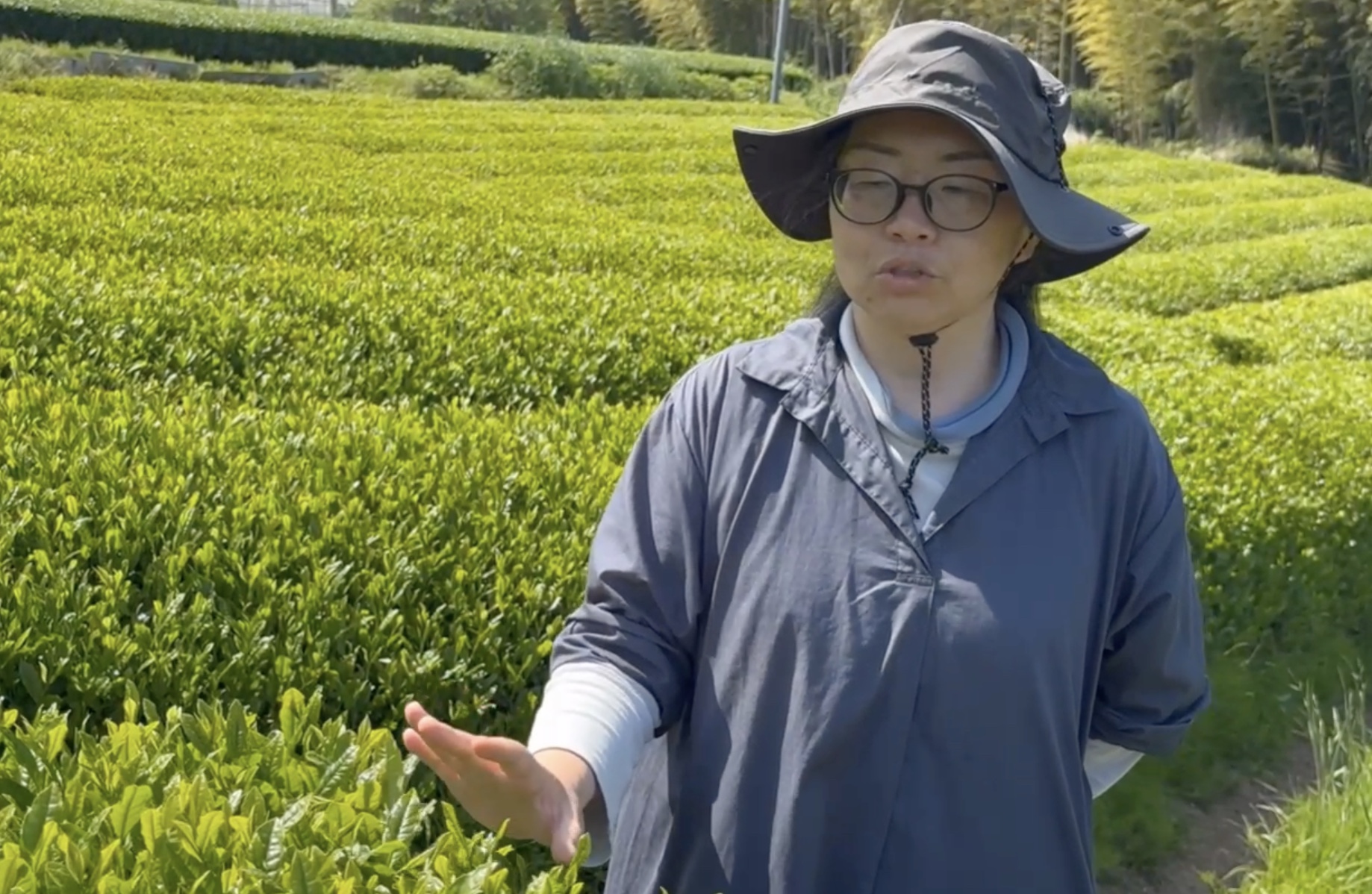
At its tea factory in Wazuka, Kyoto — one of Japan’s renowned tea-growing areas — the company continues to practice the art of Japanese tea blending.
One important traditional technique is called gogumi (合組).
Tea leaves naturally vary according to their growing region, variety and climate. Gogumi is the skill of understanding these differences and blending teas to create a carefully balanced flavor.
Unlike coffee or black tea, Japanese tea is generally enjoyed without milk or sugar.
Its clean, roasted flavor makes it a wonderful companion to something sweet — especially the gentle sweetness of autumn chestnuts.
Take a bite of Hatsuguri.
Then take a sip of warm hojicha.
That little combination is a very Japanese way to enjoy autumn.
———-
Taste Autumn the Japanese Way
In Japan, the seasons are not only something we see.
They are something we taste.
Cherry blossoms signal spring. Refreshing foods help us through the heat of summer. And when autumn arrives, chestnuts and sweet potatoes begin appearing on tables throughout Japan.
This appreciation of seasonal food is deeply connected to the Japanese idea of shun — enjoying nature’s ingredients at their best moment.
So this month, prepare a warm cup of hojicha, open your Japanese chestnut and sweet potato treats, and slow down for a moment.
Chestnuts. Sweet potatoes. Roasted Japanese tea.
Three simple tastes of the Japanese harvest season.
And three delicious ways to experience autumn in Japan — wherever you may be.